Skip to content
Marine Current
Electric propulsion Battery integration Marine engineering

Quiet power for a new generation of motor yacht performance.

We re-engineer existing motor yachts with electric and hybrid propulsion packages tailored for owners seeking cleaner navigation, refined onboard comfort, and efficient long-range energy management. From drivetrain audits and battery architecture to control software, dockside charging, and aesthetic machinery-room refinement, every retrofit is planned to preserve the vessel’s character while introducing silent thrust, lower vibration, intelligent monitoring, and forward-looking reliability across coastal cruising, marina maneuvering, and hospitality use.

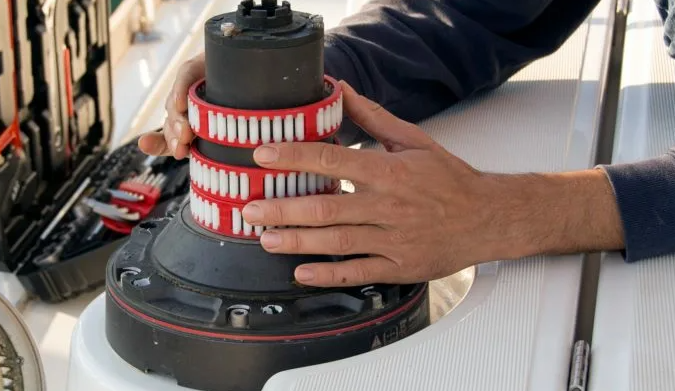
Electric retrofit motor yacht at harbor

Scope

Mechanical, electrical, software, and dockside coordination under one retrofit roadmap.

Result

Smoother maneuvering, reduced emissions footprint, and lower onboard noise.

Owner-led modernization with engineering discipline.

Each project begins with real vessel behavior: weight balance, cruising profile, dock access, hotel loads, and owner expectations. That practical data informs a custom conversion path rather than an off-the-shelf package, helping ensure the finished installation feels coherent, serviceable, and beautifully integrated into the life of the yacht.

Marine engineers planning electric yacht systems

About Us

Retrofitting yachts with elegance, safety, and measurable technical clarity.

Our practice was shaped around the idea that marine electrification should not feel experimental or improvised. It should be a disciplined redesign of the propulsion and energy environment, delivered with the same care traditionally reserved for custom refits, joinery, and naval detailing. We work with owners, captains, marina-side operators, and technical partners to evaluate hull behavior, machinery volume, thermal needs, charging conditions, and lifestyle expectations before the first component is selected.

That early-stage precision allows us to map the right balance between electric motors, battery chemistry, inverter configuration, regeneration opportunities, auxiliary loads, and safety segmentation. Whether a vessel requires a full electric conversion for short coastal routes or a hybrid architecture suited to flexible Mediterranean use, we shape each system around usability as much as engineering depth. Cable paths, service access, control displays, acoustic gains, and emergency isolation logic are considered part of the user experience, not afterthoughts.

Beyond technical integration, we coordinate installation sequencing, supplier alignment, testing protocols, and presentation standards so that the finished yacht feels intentional in every compartment. The engine room becomes quieter and more orderly, monitoring becomes easier to interpret, and daily operation gains a sense of calm. Owners choose us because they want innovation that respects seamanship, aesthetics, and the enduring value of the vessel.
Company Advantages

Why owners choose specialist electric repower planning.

Our advantage lies in the way engineering, usability, and vessel aesthetics are resolved together rather than treated as separate trades.

Conversion Blueprints Built Around Real Cruising Profiles

Every project starts with route logic, berth conditions, speed expectations, hotel consumption, and service priorities. That means the proposed electric architecture reflects how the yacht will actually be used, not an abstract power target. We model load scenarios, reserve margins, and charging cadence to avoid oversizing, underperforming, or sacrificing comfort. This owner-specific planning leads to cleaner weight distribution, smarter battery placement, and propulsion behavior that feels natural from departure to docking.

Refined Machinery Spaces with Easier Maintenance Access

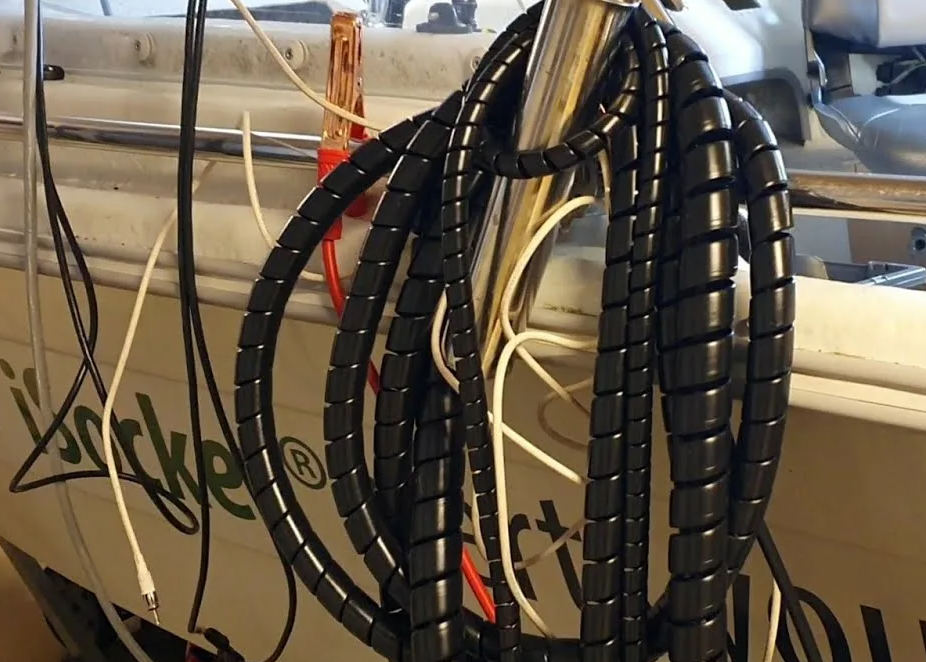
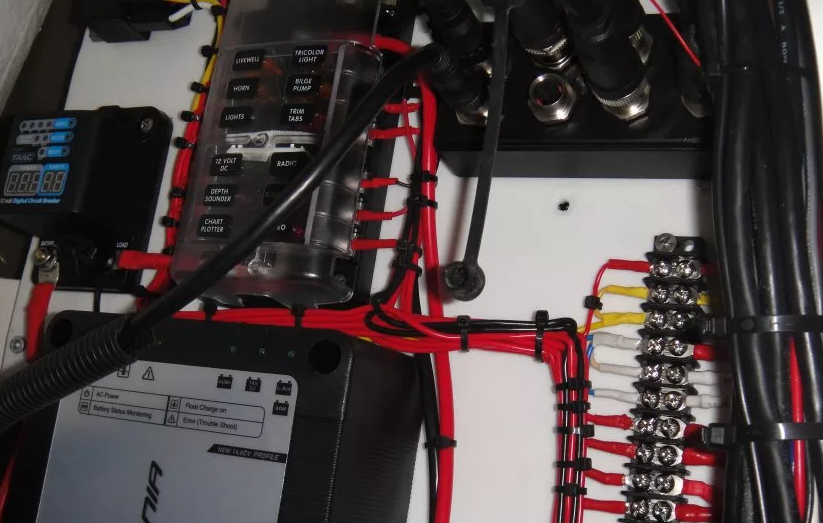
Electrification is not only about replacing engines; it is also an opportunity to reorganize technical spaces for clarity and longevity. We structure cable routing, ventilation, cooling lines, access panels, and monitoring hardware so technicians can inspect, isolate, and maintain systems with less friction. The result is a machinery zone that looks calmer, works cleaner, and reduces service-time confusion for crews and partner yards.

Silent Maneuvering and Low-Vibration Guest Comfort

Owners value the sensory change as much as the sustainability benefit. Electric or hybrid propulsion sharply improves onboard atmosphere by cutting vibration, smell, idle noise, and harsh transitions during harbor work. This creates a more premium arrival experience, a calmer aft-deck conversation environment, and less fatigue for captains during repetitive maneuvering or transfer operations.

Future-Ready Monitoring and Energy Intelligence

Integrated dashboards, battery analytics, fault logic, and remote reporting help owners and crew understand the yacht’s energy behavior with far greater precision than legacy propulsion often allows. We make data readable, actionable, and relevant, turning technical telemetry into confidence for trip planning, marina charging, and preventive maintenance decisions.

Upgraded electric propulsion control systems aboard yacht

Integrated supplier coordination from survey to sea trial.

Because retrofit success depends on more than component quality, we orchestrate the sequence between naval assessment, propulsion vendors, electrical installers, software specialists, cooling partners, and commissioning teams. That coordinated delivery reduces delays, design clashes, and costly adjustments late in the yard schedule.

  • Battery and safety zoning planned with service access in mind.
  • Charging strategy aligned with berth infrastructure and turnaround routines.
  • Sea-trial validation focused on responsiveness, temperature control, and usable range.

Elegant Sustainability Without Sacrificing Prestige

Owners increasingly want environmental progress to feel premium, not restrictive. Our retrofit philosophy delivers cleaner propulsion while preserving the polished visual and experiential standard expected of a refined yacht. Components are selected and arranged so the vessel still communicates craftsmanship, seriousness, and hospitality rather than looking like a temporary technical experiment.

Transparent Phasing, Budget Logic, and Upgrade Scalability

Not every vessel needs the same starting point, so we can structure phased modernization paths that prioritize the most valuable gains first. Owners receive a clear understanding of current constraints, recommended next stages, and the compatibility logic behind future upgrades. This preserves decision-making flexibility while keeping the technical foundation coherent from the outset.

Technician servicing marine battery system for yacht conversion

Services

From assessment to commissioning, every stage is engineered around usable marine electrification.

Our service line is structured to support owners who want both technical performance and a smooth yard experience.

Vessel Audit and Retrofit Feasibility Studies

We begin with an onboard assessment covering propulsion layout, displacement sensitivities, hull form, shaft line constraints, generator relationships, hotel loads, and owner expectations. This feasibility phase identifies what can be electrified efficiently, what should remain auxiliary, and where structural or thermal adjustments may be required. It provides a decision-grade foundation for owners who need clarity before entering a full yard program.

Electric and Hybrid Propulsion System Design

We specify motor packages, reduction strategies, battery banks, charging interfaces, inverters, control layers, and redundancy logic according to the yacht’s mission profile. The goal is not merely to install components, but to create a propulsion ecosystem that accelerates predictably, supports hotel comfort, and remains understandable to crew and service partners over time.

Battery Rooms, Safety Architecture, and Cooling Integration

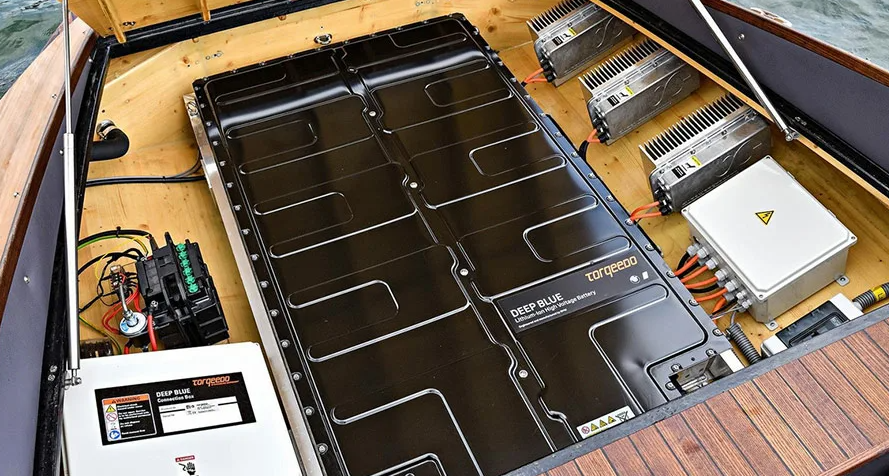
Energy storage must be planned with containment, ventilation, temperature stability, emergency isolation, and maintenance access in mind. We develop battery-room strategies and protective segmentation that align with operational safety while still fitting the vessel’s spatial realities. Cooling paths, sensor placement, and enclosure logic are tuned to marine conditions rather than copied from land-based systems.

Charging Infrastructure and Shore-Power Coordination

A propulsion conversion only works well if marina and berth-side charging are considered early. We assess docking routines, turnaround windows, local electrical availability, and smart energy scheduling so the yacht can recharge practically without compromising itinerary flow. This includes connector selection, onboard management logic, and coordination with technical contacts where the vessel is based or regularly berthed.

Installation Oversight, Testing, and Sea-Trial Validation

During implementation, we monitor fitment quality, system integration consistency, commissioning steps, and test outcomes. Sea trials focus on throttle response, thermal stability, maneuver control, energy reporting, and crew familiarity. The objective is a completed retrofit that performs confidently under real marine conditions and feels intuitive during day-to-day ownership.

Lifecycle Support and Upgrade Path Planning

After launch, we help owners maintain a clear roadmap for software updates, battery health checks, charging adjustments, and future expansion possibilities. Whether the next step is greater electric range, improved regeneration, smarter remote diagnostics, or revised hotel-power balance, we structure support around continuity so the retrofit remains a living asset rather than a one-time intervention.

Contacts

Discuss your vessel’s electric conversion direction.

For project inquiries, technical discussions, or modernization planning, use the direct contact details below.

Phone: +33 3 67 85 33 91

Email: tower-yachtelectro@outlook.com

Address: 22 Quai du Lazaret, 34200 Sète, France

Planning Focus

Retrofit timing, range expectations, berth charging, equipment access, and lifecycle practicality.

Suitable Projects

Private yachts, hospitality vessels, shuttle craft, marina-based fleets, and prestige coastal operators.